
You describe what a good parse looks like
Write a rubric item for each thing that matters — field accuracy, table fidelity, reading order, footnote binding. Each item is graded against the output on a 0–5 scale.
At real volume you can't eyeball conversion quality. Eval scores your output against a rubric you define, so a regression shows up as a falling number — not a downstream surprise.
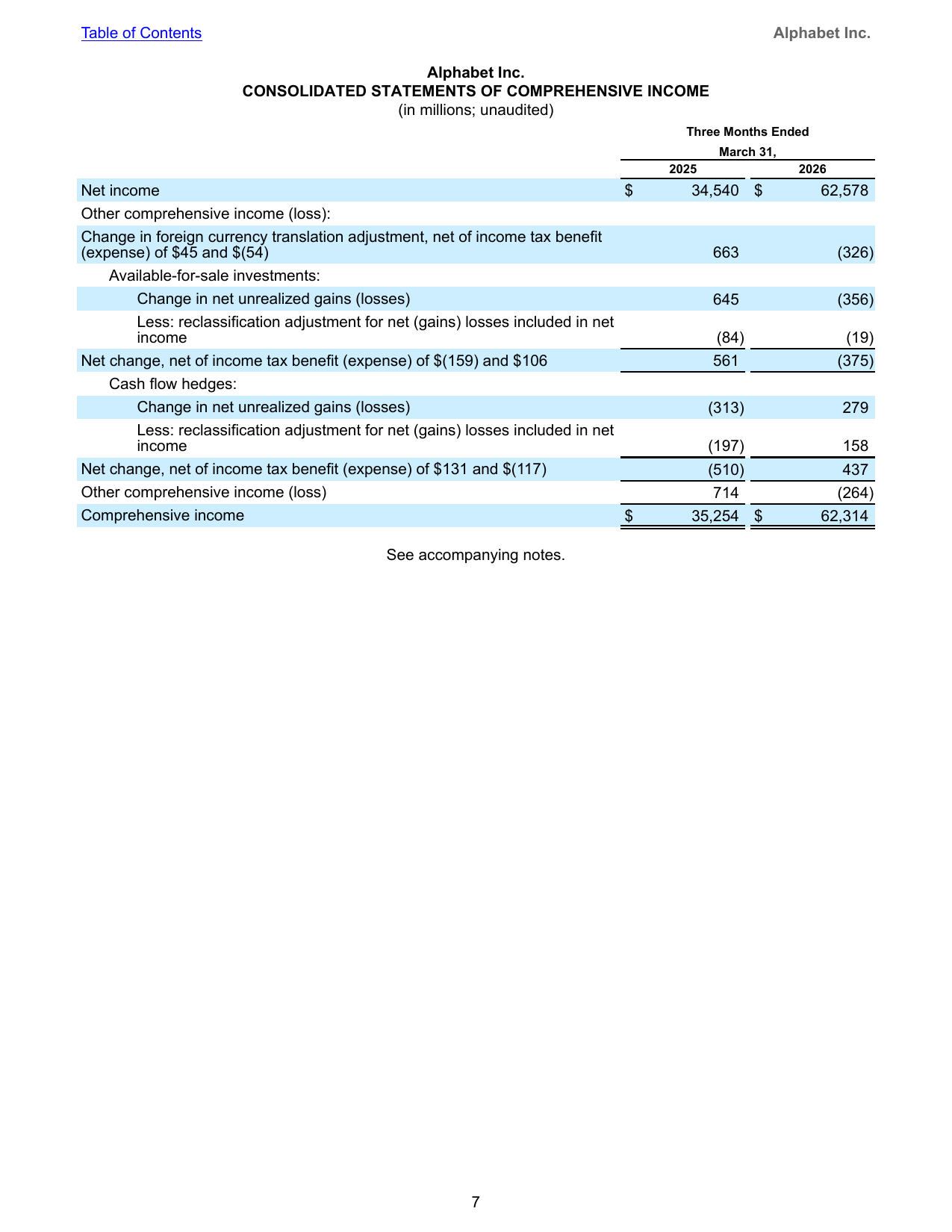
The right answers are in the document — net income, the tables, the order the sections read in. A rubric pins those expectations, and each new run is scored against them, so you can see quality move rather than guess at it.
 1 HDR2 HDR3 H14 TBL5 TEXT6 FTR
 Write a rubric item for each thing that matters — field accuracy, table fidelity, reading order, footnote binding. Each item is graded against the output on a 0–5 scale.
Run the rubric over a set of conversion outputs and get a score per item plus an overall. The documents that pulled the score down are listed, so you can see exactly what broke.
Build a corpus from your own production traffic — the messy scans, the dense tables, the formats that fail quietly. That set becomes the bar you measure every parse against.
Document distributions shift and pipelines change over time. Run the same rubric periodically and the score history shows whether your output is holding, improving, or slipping.
Each item carries its own 0–5 grade, and they roll up into one overall number you can track from run to run.
# Author a rubric in the UI, then run it over your
# conversion outputs. Each item is graded on a 0–5 scale.

#   Rubric: "Financial Filings · v3"
#     - Tables: column alignment + numeric accuracy   →  4.6 / 5
#     - Net income field extracted correctly          →  5.0 / 5
#     - Reading order across multi-column pages       →  4.2 / 5
#     - Footnote binding                              →  3.8 / 5
#     ─────────────────────────────────────────────
#     Overall:                                            4.4 / 5

# Re-run on a schedule. The score history tells you
# whether parse quality is holding or starting to slip.Research teams score a new model against a fixed corpus and read the rubric deltas before they switch any traffic over to it.
See the deep-dive →COMPLIANCEWhen a reviewer asks whether anything changed between runs, the score history is the record — per rubric item, across every run you keep.
See the deep-dive →Start with an API key — nothing to host or operate.
Sign up →Run in-region, with no egress to US infrastructure.
Sign up →Runs inside your own AWS, GCP, or Azure account.
Talk to sales →Fully offline, the same model weights, dedicated support.
Talk to sales →Free tier, no credit card. Author a rubric and score your first run.